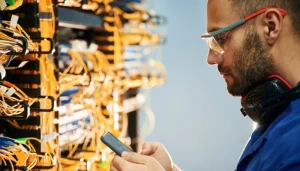






Digital transformation has brought numerous benefits to companies and industries, but also new challenges. With the arrival of Internet of Things (IoT)Devices that were previously isolated have become networked, exchanging information in real time and offering greater operational efficiency. In this scenario, the uninterruptible power supplies (UPS) They have evolved from simple devices for protection against electrical failures into intelligent systems capable of monitoring, analyzing, and interacting with other devices. However, this connectivity also opens up opportunities for cyber risks that need to be carefully managed.
Uninterruptible Power Supplies (UPS) in the IoT Era
Modern UPS systems not only provide uninterrupted power, but also offer features such as… remote monitoringIntegration with building and industrial management systems, as well as detailed reports on consumption and performance. This connectivity is fundamental for the Industry 4.0where each piece of equipment becomes part of an integrated network.
However, when connected to the internet or corporate systems, UPS systems become potential points of vulnerability. Without adequate cybersecurity measures, attackers can exploit vulnerabilities to compromise not only the equipment but the entire electrical infrastructure of the organization.
Risks of lack of cybersecurity
The absence of digital security practices in connected UPS systems can lead to serious consequences:
- Unauthorized accessHackers can break into monitoring systems and manipulate critical settings.
- Service interruptionAttacks can shut down or overload uninterruptible power supplies (UPS), causing failures in servers, data centers, and industrial processes.
- Information theftData on energy consumption and operating patterns can be used for corporate espionage.
- Coordinated attacksCompromised uninterruptible power supplies (UPS) can be used as part of botnets, amplifying the impact of cyberattacks.
These risks demonstrate that protecting electrical infrastructure goes beyond the physical robustness of the equipment: it is also necessary to ensure its digital security.
Protection strategies
To mitigate risks and ensure the reliability of connected UPS systems, certain cybersecurity practices are essential:
1. Constant firmware updates
Manufacturers release updates to fix vulnerabilities and improve equipment security. Keeping UPS firmware updated is one of the most effective forms of protection.
2. Strong Authentication
Access to monitoring systems must be protected by strong passwords, multi-factor authentication, and distinct user profiles, preventing unauthorized individuals from altering critical settings.
3. Network segmentation
Uninterruptible power supplies (UPS) should be on separate or segmented networks, reducing exposure to attacks from other connected devices. This practice limits the reach of intruders in case of a compromise.
4. Data encryption
All information transmitted between uninterruptible power supplies (UPS) and management systems must be encrypted, ensuring that sensitive data is not intercepted or manipulated.
5. Continuous monitoring
Security tools should monitor network traffic and UPS (uninterruptible power supply) behavior in real time, identifying suspicious patterns and blocking intrusion attempts.
6. Team training
Cybersecurity depends not only on technology, but also on people. Training teams to recognize risks and apply best practices is fundamental to reducing vulnerabilities.
Benefits of cybersecurity applied to uninterruptible power supplies (UPS).
Investing in digital security for connected UPS systems offers advantages that go beyond protection against attacks:
- Greater operational reliabilityCritical processes remain protected against failures and interruptions.
- Cost reduction: prevents financial losses resulting from unexpected downtime or data loss.
- Regulatory complianceMany regulations require digital security practices for connected devices.
- Strengthened reputationCompanies that demonstrate concern for safety gain credibility with customers and partners.
Sustainability and safety
Cybersecurity applied to uninterruptible power supplies (UPS) also contributes to sustainability. By ensuring that equipment operates efficiently and safely, energy waste is avoided and battery life is extended. Furthermore, protected systems reduce the risk of failures that could generate environmental impacts, such as premature disposal of components.
The future of connected UPS systems.
The advancement of IoT and Industry 4.0 points to a future where uninterruptible power supplies (UPS) will be even more integrated into intelligent systems. Trends such as artificial intelligence for predictive maintenance, blockchain for electrical traceability and smart grids Systems for decentralized management are already under development. In this context, cybersecurity will become increasingly strategic, ensuring that innovation is accompanied by reliability.
In the IoT era, uninterruptible power supplies (UPS) have ceased to be merely electrical protection devices and have become… smart connectivity nodes. This evolution brings enormous benefits, but it also demands heightened attention to cybersecurity. Protecting connected UPS systems means protecting an organization’s entire electrical infrastructure, ensuring continuity, efficiency, and sustainability. For companies seeking competitiveness and innovation, investing in digital security applied to UPS systems is more than a preventative measure: it’s an essential strategy for thriving in the future of industry.