




Uninterruptible power supplies (UPS) are fundamental components in the electrical infrastructure of companies and institutions. They ensure the continuity of operations in case of power grid failures, protecting sensitive equipment against fluctuations, drops, and voltage spikes. Care must be taken with them. refrigeration and installation environment They become essential for optimizing battery life.
In this article, we will explore the key points to consider to ensure that the UPS operates with maximum efficiency and safety, preventing unexpected failures.
Ambient temperature: a decisive factor
- Ideal range: Uninterruptible power supplies (UPS) should be installed in temperature-controlled environments, generally between 20°C and 25°C.
- Impact of temperature: Excessive heat accelerates battery wear and can damage electronic components. Conversely, very low temperatures can reduce charging efficiency.
- Continuous monitoring: It is recommended to install temperature sensors and alarm systems to detect sudden changes.
Ventilation and airflow
- Avoid obstructions: The UPS needs free space around it for proper air circulation. Installing the equipment in cramped or poorly ventilated locations compromises heat dissipation.
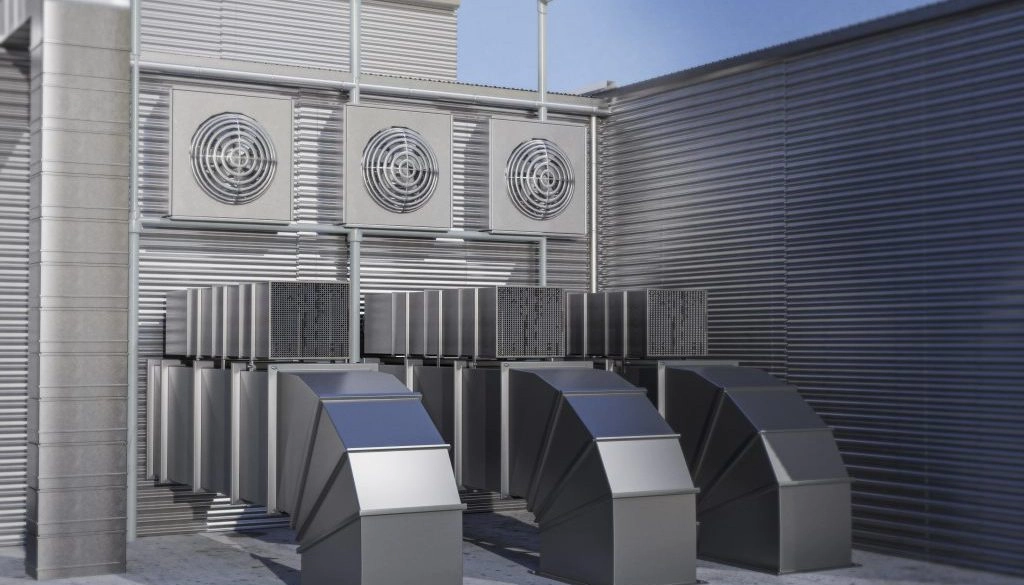
- Use of air conditioning: In environments with a high concentration of equipment, air conditioning is essential for maintaining a stable temperature.
- Clean filters: Dust accumulated in the ventilation filters reduces cooling efficiency and can cause overheating.
Cleaning and particle control
- Dust-free environment: The presence of suspended particles can clog fans and damage electronic boards.
- Maintenance routine: It is essential to carry out periodic cleaning of the physical space and the equipment itself.
- Humidity control: Humid environments promote the oxidation of internal components. Ideally, the relative humidity should be maintained between 40% and 60%.
Batteries and cooling
Batteries are the heart of the UPS (Uninterruptible Power Supply). Their performance is directly linked to environmental conditions.
- High temperature = shorter lifespan. Each 10°C increase above the recommended range can halve the durability of the battery.
- Proper installation: Avoid installing batteries in enclosed, unventilated areas.
- Intelligent monitoring: Modern uninterruptible power supplies (UPS) feature management software that monitors load and discharge cycles, preventing overheating.
Installation location
- Dedicated room: Uninterruptible power supplies (UPS) should be installed in technical rooms or data centers with infrastructure designed to withstand thermal load.
- Physical space: Allow sufficient space for air circulation and easy access for maintenance.
- Sound insulation: Larger UPS systems can generate significant noise; isolation helps maintain a comfortable environment.
Preventive maintenance
- Regular inspections: Check fans, filters, and electrical connections.
- Scheduled battery replacement: Follow the manufacturer’s recommendations for periodic replacement.
- Load tests: Simulate power outages to evaluate UPS performance under real-world conditions.
Risks of negligence
Ignoring refrigeration and environmental precautions can lead to:
- Overheating and unexpected shutdown.
- Drastic reduction in battery lifespan.
- Irreversible damage to electronic components.
- Disruption of critical operations, such as servers, security systems, and medical equipment.
Best practices summarized
| Aspect | Essential care | Benefits |
|---|---|---|
| Temperature | Keep between 20°C and 25°C | Longer battery life |
| Ventilation | Open space and air conditioning | Efficient heat dissipation |
| Cleaning | Dust and moisture control | Protection of internal components |
| Installation | Dedicated technical room | Safety and accessibility |
| Maintenance | Regular inspections and tests | Continuous reliability |
Conclusion
An uninterruptible power supply (UPS) is a strategic investment for companies that depend on stable and continuous energy. But for it to perform its function with excellence, it is essential to take care of the refrigeration and installation environment.
These precautions not only extend the lifespan of the equipment and batteries, but also ensure… reliability of operations in critical moments. After all, a UPS (Uninterruptible Power Supply) is not just a protection device: it’s a… pillar of energy security in corporate and industrial environments.