




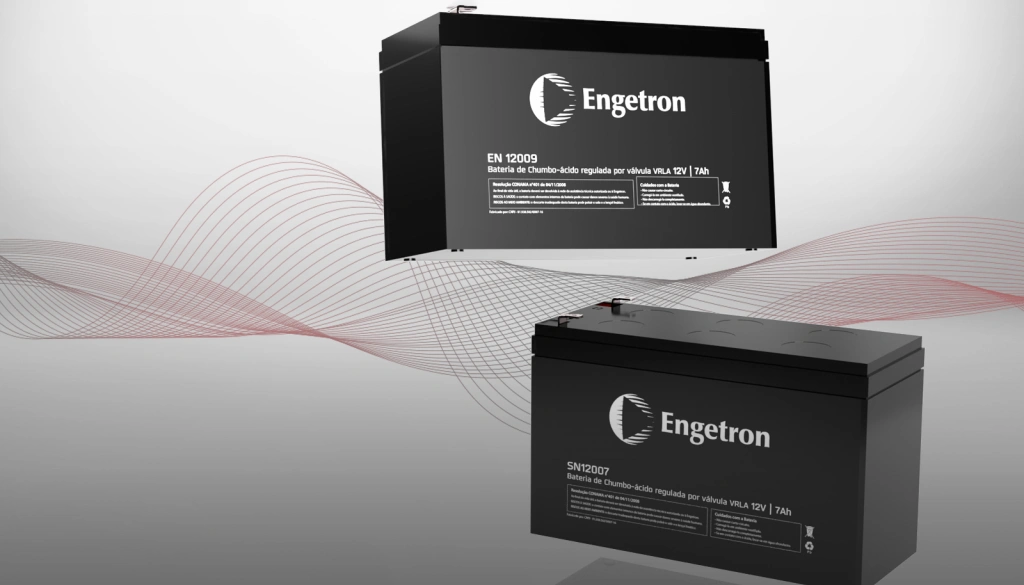
Batteries are one of the most important components of an uninterruptible power supply (UPS). Using the energy stored in the batteries, the UPS is able to maintain the load in full operation during situations of commercial power grid failure. The time the load will be kept in operation using battery power – called runtime – depends on the quantity and Ah capacity of each battery, which requires precise sizing. This sizing must consider several important factors, such as available space, ambient temperature, and the maximum recharge current capacity of the UPS.
With due care taken regarding sizing, the UPS will be responsible for controlling and managing the charge and discharge cycles, preventing inappropriate recharge currents and deep discharges that can cause wear and tear on the batteries, thus optimizing the lifespan of these components. In a conventional situation, the UPS keeps the battery bank in float mode, that is, with the voltage of the battery charger applied to the DC voltage bus. This ensures that the batteries are always at their maximum charge when there is electrical power available. In this way, in the event of a power outage, the battery will begin the discharge process from this maximum charge and will fully deliver the expected autonomy.
It is important to emphasize that when the UPS has a higher tolerance to variations in the electrical grid without resorting to batteries to maintain the load, it will automatically contribute to less frequent discharge and recharge cycles, which also optimizes the lifespan of the batteries.
Still during the discharge process, imagining a prolonged power outage, when the battery reaches a certain voltage level, to prevent excessive discharge and more severe wear, the UPS disconnects the inverter circuit and interrupts the power supply to the load. As soon as the power grid is restored, the recharging process begins again. It is expected that the batteries will be quickly ready to supply the load in a new power outage situation. To accelerate recharging, the UPS applies a slightly higher equalization voltage to the battery for a certain time, returning this value to the float voltage as soon as the batteries reach a certain charge level, also managed by the UPS itself.
In addition to the refinement of the hardware and firmware responsible for this control, we also have management systems that provide users with information about the various battery parameters, thus ensuring greater performance predictability and a more accurate estimate of the lifespan of each element. Individual battery management systems, such as the Engetron MSB, ensure that the user has a clear view of each battery, preventing a damaged battery from propagating this damage to the other elements in the bank, which could lead to unexpected charging interruptions and high maintenance costs.
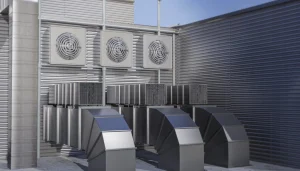
In terms of physical aspects, we have already highlighted the importance of ambient temperature, which, for VRLA batteries, should not exceed 25ºC. Furthermore, it is important to analyze the condition of the terminals, which may show signs of oxidation. This check should be performed periodically to ensure effective predictive analysis.
In short, battery lifespan is subject to several factors, ranging from proper storage and maintenance, which are the user’s responsibility, to the refined control and management provided by the UPS (Uninterruptible Power Supply).
Learn more about Engetron’s individual battery management system at [link to Engetron website] https://www.engetron.com.br/acessorios-gerenciamento-engetron/gerenciamento-baterias-msb-iot/ .